The History
Nicole Moehring and her daughter, Maci, founded Voices of Change 2018 (“VOC18”) out of heartbreak, courage, and an unshakable refusal to let others suffer in silence. Their world changed forever when both Maci and her brother Evan, who lives with Fragile X Syndrome, Autism, and two heart conditions, became victims of sexual abuse and assault. In those moments, Nicole discovered a painful and devastating truth: the very systems meant to protect her children were never built with individuals with disabilities in mind.
VOC18 was born from that pain. It exists because no child, with a disability or not, should ever be left unheard, unprotected, or unseen.
Unlike organizations centered on a single diagnosis, VOC18 serves all individuals with cognitive, intellectual, developmental, and physical disabilities, embracing people of every race, religion, ethnicity, and gender identity. This mission extends to their families and guardians, many of whom are desperate for someone to guide them through the fear, confusion, and isolation that come after abuse.
Before this trauma entered their lives, Nicole had no idea how vulnerable Evan truly was. No one warned her of the staggering statistics. No one explained the heightened risks. No one provided the preventive education her son desperately needed. She often reflects that with the right information, information that should be readily available everywhere, her family might have been better prepared, better protected, and better able to help Evan find safety before the unthinkable happened.
In the fight for justice, Nicole watched something no mother should ever witness: her son’s rights slowly disappear. Evan was doubted, dismissed, and discriminated against by the very systems designed to defend him. Because of his disability, his voice was never heard. His trauma was minimized. His pain was met with indifference.
Nicole was forced to fight alone, searching for answers, resources, and hope in a world that offered little of any of it.
VOC18 exists to make sure no one else has to endure that same loneliness.
Individuals with disabilities who experience abuse need more than support, they need a voice when they are silenced, advocates when they are dismissed, and education when the world fails to prepare them. They need clear steps, trusted guidance, access to healing, and a community that refuses to turn away.
VOC18 was created so families no longer have to navigate this darkness on their own. It was built to shine a light for every child, every parent, every survivor, and every person who has ever been told by systems, by society, or by silence that their voice does not matter.
VOC18 stands to prove that it does. That every voice matters. And that change begins when one family’s pain becomes a movement that refuses to be ignored.
VOC18 was born from that pain. It exists because no child, with a disability or not, should ever be left unheard, unprotected, or unseen.
Unlike organizations centered on a single diagnosis, VOC18 serves all individuals with cognitive, intellectual, developmental, and physical disabilities, embracing people of every race, religion, ethnicity, and gender identity. This mission extends to their families and guardians, many of whom are desperate for someone to guide them through the fear, confusion, and isolation that come after abuse.
Before this trauma entered their lives, Nicole had no idea how vulnerable Evan truly was. No one warned her of the staggering statistics. No one explained the heightened risks. No one provided the preventive education her son desperately needed. She often reflects that with the right information, information that should be readily available everywhere, her family might have been better prepared, better protected, and better able to help Evan find safety before the unthinkable happened.
In the fight for justice, Nicole watched something no mother should ever witness: her son’s rights slowly disappear. Evan was doubted, dismissed, and discriminated against by the very systems designed to defend him. Because of his disability, his voice was never heard. His trauma was minimized. His pain was met with indifference.
Nicole was forced to fight alone, searching for answers, resources, and hope in a world that offered little of any of it.
VOC18 exists to make sure no one else has to endure that same loneliness.
Individuals with disabilities who experience abuse need more than support, they need a voice when they are silenced, advocates when they are dismissed, and education when the world fails to prepare them. They need clear steps, trusted guidance, access to healing, and a community that refuses to turn away.
VOC18 was created so families no longer have to navigate this darkness on their own. It was built to shine a light for every child, every parent, every survivor, and every person who has ever been told by systems, by society, or by silence that their voice does not matter.
VOC18 stands to prove that it does. That every voice matters. And that change begins when one family’s pain becomes a movement that refuses to be ignored.
The vision, THE MISSION
THE VISION
Voices of Change 2018 is establishing a strong network by working closely with educators, county boards of developmental disabilities, mental health and medical professionals, law enforcement, and other related organizations.
This initiative aims to champion the rights of individuals with cognitive, intellectual, and developmental disabilities by promoting awareness, providing education, and offering essential resources.
THE MISSION
To minimize the risk of abuse, neglect, and exploitation of individuals with cognitive, developmental, and intellectual disabilities.
Voices of Change 2018 is establishing a strong network by working closely with educators, county boards of developmental disabilities, mental health and medical professionals, law enforcement, and other related organizations.
This initiative aims to champion the rights of individuals with cognitive, intellectual, and developmental disabilities by promoting awareness, providing education, and offering essential resources.
THE MISSION
To minimize the risk of abuse, neglect, and exploitation of individuals with cognitive, developmental, and intellectual disabilities.
Statistics
In the United States, there are approximately 74,234,075 children under 18. Of those, 4.3% or 3,192,062 have a disability. According to The US Children’s Bureau estimates, 678,000, or 21.2% of children, were determined to be victims of abuse or neglect in 2018.
Worldwide, there are 1.3 billion children under the age of 18. Assuming the same rate as the United States, there are 55.9 million children under the age of 18 with disabilities. Therefore, worldwide, there are 11,850,000 children with disabilities being abused.
It is suspected that the rate of child abuse and neglect is at least three (3) times higher in children with disabilities than in their typically developing peers.
However, due to underreporting, it’s challenging to know the actual numbers of how many individuals with disabilities have been victims of abuse or neglect.
The Centers for Disease Control (CDC) reports that 91% of the time, children are abused by someone known and trusted by the child or the child’s family members.
If your child, step-child, grandchild, niece, nephew, or child you knew was disabled and you found out he/she was abused, would you sit back and be able to stay silent or allow the abuse to continue?
This is a global systemic health epidemic, one that needs to be addressed NOW!
Worldwide, there are 1.3 billion children under the age of 18. Assuming the same rate as the United States, there are 55.9 million children under the age of 18 with disabilities. Therefore, worldwide, there are 11,850,000 children with disabilities being abused.
It is suspected that the rate of child abuse and neglect is at least three (3) times higher in children with disabilities than in their typically developing peers.
However, due to underreporting, it’s challenging to know the actual numbers of how many individuals with disabilities have been victims of abuse or neglect.
The Centers for Disease Control (CDC) reports that 91% of the time, children are abused by someone known and trusted by the child or the child’s family members.
If your child, step-child, grandchild, niece, nephew, or child you knew was disabled and you found out he/she was abused, would you sit back and be able to stay silent or allow the abuse to continue?
This is a global systemic health epidemic, one that needs to be addressed NOW!
Why are Individuals with disabilities more vulnerable to being abused?
Individuals with disabilities often require intense emotional, physical, social, and financial support. Families give everything they have but the reality is that caring for a child or adult with disabilities can be overwhelming, exhausting, and isolating. To meet these needs, many families rely on multiple caregivers, teachers, aides, assistants, therapists, and medical professionals.
And while this expanded circle of support can bring compassion, relief, and understanding, it also widens the door for danger. Every new caregiver, every new helper, every new person who enters their world increases the opportunity for someone with harmful intentions to gain access.
For families already under extraordinary pressure, this truth is heartbreaking. At the same time, having many caregivers can be a blessing. More eyes, more hands, more caring hearts can mean more opportunities for someone to recognize injuries, behavioral changes, or signs that something is not right. Support can lighten the crushing weight placed on primary caregivers.
But this protection is only possible when caregivers are carefully screened, consistently trained, and compassionately supervised. Unannounced check-ins, regular communication, and the belief that any child, with a disability or not, can be abused are critical steps toward safety.
Why Individuals with Disabilities Are Especially Vulnerable
Their vulnerability is not because of who they are, but because of how the world treats them.
Individuals with disabilities often face risks that others never think about:
And while this expanded circle of support can bring compassion, relief, and understanding, it also widens the door for danger. Every new caregiver, every new helper, every new person who enters their world increases the opportunity for someone with harmful intentions to gain access.
For families already under extraordinary pressure, this truth is heartbreaking. At the same time, having many caregivers can be a blessing. More eyes, more hands, more caring hearts can mean more opportunities for someone to recognize injuries, behavioral changes, or signs that something is not right. Support can lighten the crushing weight placed on primary caregivers.
But this protection is only possible when caregivers are carefully screened, consistently trained, and compassionately supervised. Unannounced check-ins, regular communication, and the belief that any child, with a disability or not, can be abused are critical steps toward safety.
Why Individuals with Disabilities Are Especially Vulnerable
Their vulnerability is not because of who they are, but because of how the world treats them.
Individuals with disabilities often face risks that others never think about:
- Conditioned compliance: taught from a young age to follow instructions during interventions, treatments, and routines, even when uncomfortable.
- Constant exposure to many adults, giving potential abusers more access and fewer barriers.
- A beautiful willingness to trust, driven by their desire for connection, approval, and kindness traits that make them easy targets for manipulation.
- Dangerous societal misconceptions that individuals with disabilities are asexual, nonsexual, or unaware misbeliefs that silence conversations about safety.
- Dependence on others for intimate physical care, which creates repeated opportunities for touch to be misused or normalized in harmful ways.
- Isolation from typical peers, leaving them without natural social protection or comparisons that help children recognize unsafe behavior.
- Limited verbal communication, making it harder to describe what happened or even find the words to ask for help.
- Little to no education about body boundaries or personal safety, leaving them unaware of what is inappropriate or dangerous.
- Parent and caregiver anxiety around puberty and relationships, often leading to delayed or avoided conversations about healthy boundaries.
Why we need to Start having tough conversations
Many families fall into the same denial our founder, Nicole, once did, the belief that, “It could never happen to my child because they have a disability.” But the truth is that this false sense of security often comes from a lack of education. Most parents simply don’t know how to start conversations about body safety, boundaries, secrets vs. surprises, good and bad touches, or how to identify safe, caring adults.
Parents are the foundation of a child’s understanding of safety and healthy relationships. These conversations must be tailored to each child’s cognitive level, and they can’t be a one-time discussion. They must happen consistently, openly, and throughout every stage of development.
Even with education and greater awareness, abuse involving individuals with disabilities remains incredibly difficult to talk about. But silence only fuels stigma, increases risk, and leaves vulnerable individuals unprotected. As a society, we must be willing to speak openly, honestly, and without shame about the realities of abuse.
We no longer live in a world where silence can be an option not for this, and not for any systemic issue harming our loved ones.
Protecting our children and loved ones is our responsibility, and that responsibility begins at home.
Change starts with us.
Parents are the foundation of a child’s understanding of safety and healthy relationships. These conversations must be tailored to each child’s cognitive level, and they can’t be a one-time discussion. They must happen consistently, openly, and throughout every stage of development.
Even with education and greater awareness, abuse involving individuals with disabilities remains incredibly difficult to talk about. But silence only fuels stigma, increases risk, and leaves vulnerable individuals unprotected. As a society, we must be willing to speak openly, honestly, and without shame about the realities of abuse.
We no longer live in a world where silence can be an option not for this, and not for any systemic issue harming our loved ones.
Protecting our children and loved ones is our responsibility, and that responsibility begins at home.
Change starts with us.
A Message From THE Founders
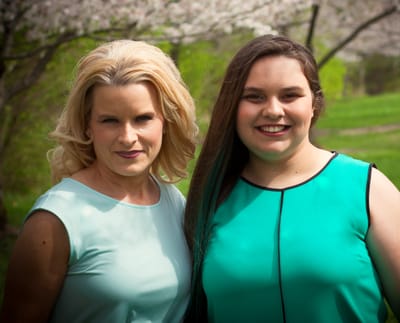
Our family went through this. We should have had access to support and services, but we didn’t. We should have been supported, but we weren't. We felt the devastation and never want anyone else to feel that way.
We have built a foundation from our lived experience by providing:
1. Preventative education for individuals with disabilities, their parents, guardians, medical and mental health professionals, and law enforcement
2. Guidance, resources, and support for victims and their families
Nicole Moehring, Founder Maci Moehring, Co-founder